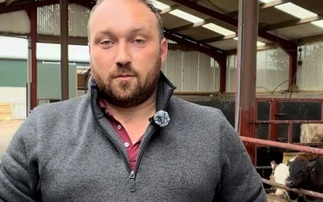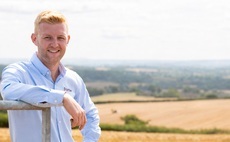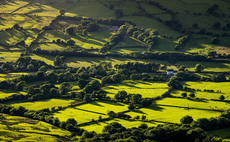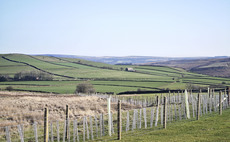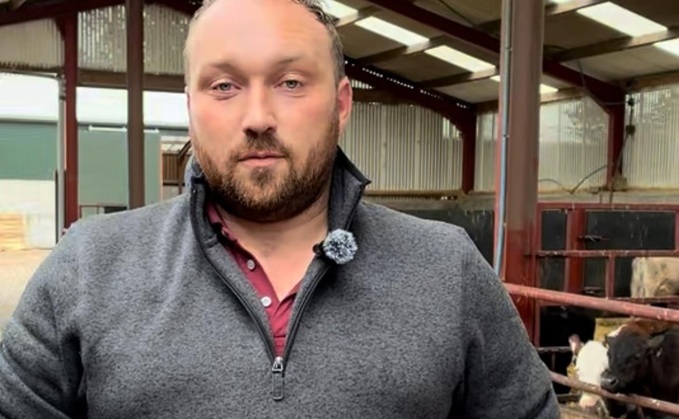
James Davison, hill farmer in Glenarm, County Antrim, Northern Ireland
From Government policy, education and the attractiveness of the job, those who wish to enter the farming industry are presented with their fair share of obstacles.听
For听31-year-old hill farmer听James听Davison,听31,听who farms in听Glenarm听in听County Antrim, Northern Ireland, his life has always听revolved around farming having grown up on his family farm. However,听his听career听path听was not as simple as you may think.听
"I was always sort of strongly discouraged away from it, because it would not be viable,听you could not make enough money out of it or it would not be the lifestyle anybody would choose," he says.听
"But for some reason, I always wanted to farm, and I did not really take that advice on board."听
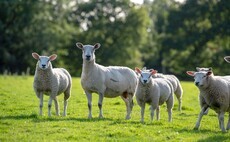
Now,听James'听farm听consists听of听two broiler houses听2 which hold 35000 each听and听300 breeding ewes. He also rears听about 3,000 calves a year for ABP听alongside his wife and family.听
But he is passionate about trying to encourage听people into farming, and one of the biggest barriers to getting听fresh talent听into the sector,听he says,听is how attractive the job looks.听听
"My day-to-day lifestyle and how I work will be听very hard听to sell to someone," he adds.听
Long hours, poor听pay听and a tough climate to work within are all听stereotypical aspects听of the job which may be discouraging people from thinking about it as a career choice.听听
And although this may be case听sometimes, the challenges of the job are听actually听the听parts听that听excite听James.听听
He says:听"It听is听a very challenging听industry to听work in and听build something sustainable in,听but听I听actually really听enjoy the challenge.听
"From a business point of view,听I think听there听is听something very enjoyable about it."听
But to听change the听narrative听James听says听farming听could听become more structured including rotas and regular time off. It should also have better facilities听so that听working conditions听can听remain high.听听
Planning听barriers听provide a particular challenge听for farmers looking to expand and better their facilities.听This has been made difficult due to the听Northern Ireland Environment Agency (NIEA)听moving听away from the Ammonia Standing Advice听in 2023. NIEA now provide planning authorities with case- and site-specific advice, on a case-by-case basis.听
These policies do not provide young people with the opportunities to invest which听otherwise could听have听been a reason to get into farming.听听
"We听have to听have the opportunity for young people to听invest in a poultry unit or a dairy unit or a beef unit or a cow unit. Whatever the case may be,听they have to be able to have that option."听
More听recently听the DAERA has been听criticised for听policy planning failure which听has left听young farmers with no dedicated support this year.听听
With the Farming for the Generations pilot scheme running until March 2026, and the Young Farmers Payment (YFP) and Regional Reserve ending after the 2025 scheme year, the Ulster Farmers Union (UFU) says there will be no meaningful support in place for young farmers this year while a new full Farming for the Generations scheme is not expected to be operational until 2027.听听听
"There听has to听be incentives coming from the Department of Agriculture to try and encourage people. There are big costs with young people getting into farming - we need to support them to get in there and get going."听
These moves from the Government do not paint the agricultural industry in a good light,听but听with more support the industry can be made more attractive as it听will provide a sense of security.听听
READ MORE:听Northern Ireland's young farmers left with no support in 2026, says UFU
Another barrier is education. Although many schools in Northern Ireland teach farming, across the UK it has been an issue many have lobbied for.听听
While more needs to be done to听teach听kids about why agriculture is important, closing that knowledge gap on what jobs can be done within the industry听is equally as important听and may be able to open the doors for many more young people to enter the industry.听听
James听highlights the听benefits听of听a听share farm arrangement, which he had the opportunity to get involved听and听expand his family farm. He says these kinds of听options听should be promoted more to young people to give them the chance to听acquire听land.听听
There听are听also听benefits听in听tying young and old famers together through arrangements like听this.听听
"The young farmer听can听provide the labour,听the听work听and the听new ideas,听and come in and run the farm. The older farmer听[can manage]听the land and the stock.听听
"Just put the two of them together so that older farmers听can听take things a lot easier听but听still听maintain听that听income, while听the younger farmers听get the chance to run听a听farm."听
James听has also had the opportunity to expand through ABP which allows him听to rear around 3,000 calves a year.听听
"I would like to emphasise how supportive they have been as a听first-generation听farmer, and how important the contract type arrangements are for people like听myself听who would struggle to get the capital to buy the stock and give a guaranteed income."听
Alongside his farming work,听he听is part of the UFU Next Generation Group and the Hill听Farming Committee.听Unions like these provide farmers with a community, a space to share concerns and worries and a place to meet up and get off farm.听听
Farming has its challenges, but it also has a huge community who understand and work together to combat these.听听
But it is about how you perceive the industry and the opportunities in it.听
He says:听"I think we need to look at it as a as a really exciting career."