Malt manufacturer Crisp Malt has published its second annual Environmental, Social and Governance (ESG) report
Premium malt manufacturer听Crisp Malt听has听published its second annual Environmental, Social and Governance (ESG) report, outlining a range of initiatives across its operations and supply chain aimed at boosting sustainability.
Established in 1870 in Norfolk, the company now has three maltings in England, two in Scotland, as well as one in Germany and another in Poland. It produces around 440,000 tonnes of malt a year and works directly with 270 Scottish farmers and 180 growers in Norfolk.
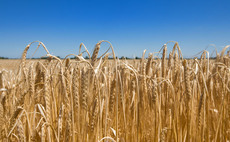
In order to meet its environmental commitments the report says it has been working with local 鈥楪rower Groups' to facilitate a successful transition to more sustainable farming practices including the adoption of such measures as cover cropping, minimising tillage, incorporating livestock and using abated nitrogen fertiliser.
The findings also reveal that Crisp Malt will trial a low carbon fertiliser on malting barley, which has 60% less greenhouse gas emissions, less run-off and improved nitrogen use efficiency in crops.
READ NOW: Harvest 24 - all eyes on wheat as barley and OSR spark hope
Ellie Wood, sustainability coordinator at Crisp Malt, says: "Our long-standing partnerships with our Grower Groups has enabled us to develop a sustainable farming strategy which aligns with our targets but also supports the growers' farm business development.
"Trialling a low carbon fertiliser is particularly significant as around 75% of greenhouse gas emissions are related to nitrogen fertiliser use and manufacture. By finding an alternative, we have the ability to make huge reductions to our Scope 3 emissions."
There has been pressure on the drinks industry to address its environmental impacts which remain high due to resource-intensive production practices. The Scotch whisky industry alone uses around 10% of Scotland's entire energy production, while breweries account for an estimated 4.8% of electricity and fuel usage in the food and drink sector.
READ NOW: Defra publishes guidelines on carbon reporting standards
Ms Woods says: "There is far more work to be done, but I am proud of our record so far - from reducing greenhouse gas emissions across production, transportation and farming to maintaining long-lasting relationships with our suppliers and customers.
"Sustainability is something that affects us all, from field to glass, so we will be working closely with our farmers, colleagues, and customers alike to reach our targets. Maintaining these long lasting partnerships across our supply chain is vital to the success of our sustainability strategy and reaching our goal of achieving net zero by 2045."