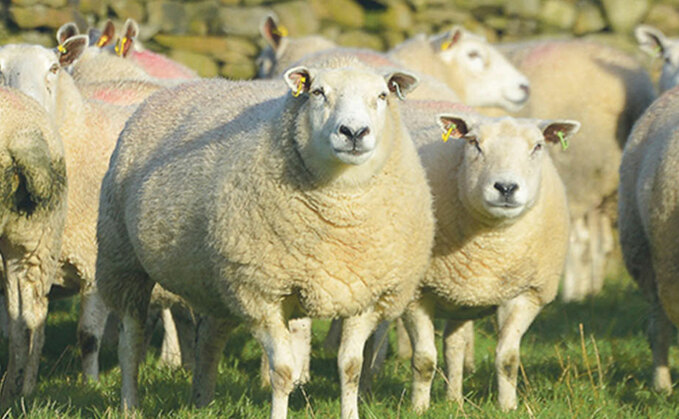
With fly season upon us, farmers are being reminded to tackle strike head-on and apply an early preventive treatment to protect sheep from blowfly strike and to stop the first wave of blowflies from breeding.
With 96 per cent of farmers reporting cases of blowfly strike in the past two years and 82 per cent believing the fly season is starting earlier and lasting longer2, Matt Colston, vet at Elanco Animal Health, says it is easy to get caught out.
He says: A case of fly strike has serious health, welfare and financial implications, and correct application of the right product at the right time is a key part of preventing these unnecessary losses. Insect growth regulators [IGRs] are an effective way to protect your flock from strike and will prevent the first larval stages of blowfly developing into the damaging second- and third-stage maggots.
But IGRs are not insecticidal and will not treat maggots, therefore they must be applied early, as soon as the strike risk begins to rise and before fly eggs start to hatch.
Mr Colston outlines Elancos key IGR options and the situations they are best suited to:
CLiK EXTRA
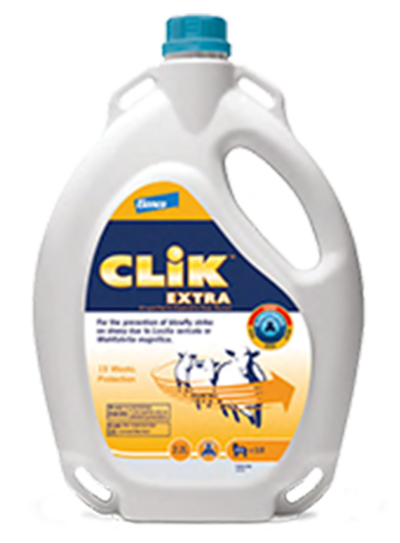
CLiK EXTRA provides the longest protection period of up to 19 weeks with a 40-day meat withdrawal period.
This makes it most suitable for early season treatment of lambs which will be kept throughout summer, replacement breeding stock and for adult sheep post-shearing.
CLiK
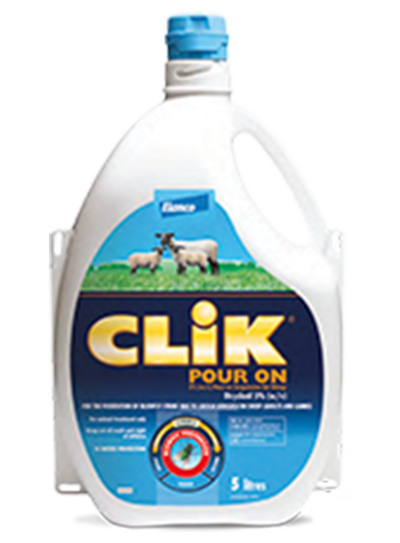
For medium-keep lambs which stay on-farm between six weeks and four months, or for adult sheep shorn later in the season, Mr Colston recommends treating with CLiK, which has a protection period of 16 weeks and the same 40-day meat withdrawal.
CLiKZiN
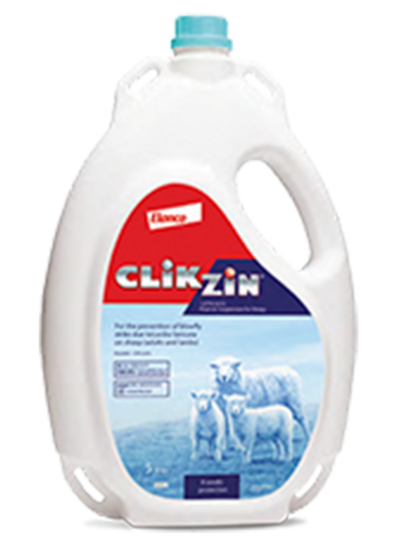
For those who keep lambs short-term, farms which can finish lambs quickly and require a short meat withdrawal or those with a high blowfly risk pre-shearing, CLiKZiN provides the ideal option.
It uses the same trusted technology as CLiK, delivering eight weeks of protection with a short seven-day meat withdrawal period.
Additional text
The whole CLiK range benefits from patented FleeceBind technology, which allows the product to spread and bind, giving full fleece protection in order to minimise the risk of strike
Blowfly Facts
- Significant blowfly damage can occur in as little as 24-36 hours after egg laying1
- The average cost of a case of blowfly strike is 33.35 per sheep2
- Treating with an IGR early in the season will provide protection from blowfly strike and reduce blowflies from breeding, reducing the risk later in summer
References
References: 1. Richard Wall and Fiona Lovatt (2015). Blowfly strike: biology, epidemiology and control, In Practice 37:181-188 doi:10.1136/inp.h1434. 2. National 51AV视频Research Unit, Blowfly Study April 2018