It was another week farming solo while the family were away at the Royal Welsh Show.
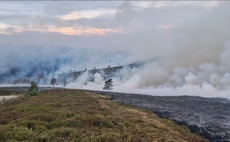
Rain finally arrived over the weekend after weeks of what has felt like relentless heat. I was relieved to see the grass getting a drink after watching our hill start to burn off.
One of the highlights of the last week has been watching a one-eyed Orpington cockerel, who was not very well last year, become increasingly cocky with me following a full recovery.
He now thinks he owns the place and walks straight through the farmhouse's open doors whenever he decides it is feeding time, and will happily take bread or corn straight out of my hand.
A lot of us might pretend we do not have favourites on the farm, but I think he might be one of mine.
Away from the farm, one figure caught my eye in the news this week.
Farmland prices are down 4.1% compared to this time last year, which sounds encouraging to anybody hoping to get into the industry.
READ NOW:听Farmland sees Q2 dip despite record-breaking prices
Land prices remain out of reach for many
However, in real terms, the average value of bare agricultural land still stands at 拢8,497 per acre, more than 20% higher than it was five years ago.
When you hear prospective young farmers talk about how difficult it is to get started on their own, it is easy to understand why.
However, if I have learned one thing recently through conversations on For Flock's Sake, Farmers Guardian's young farmer podcast, and from my time in farming altogether, it is that owning land is not the only measure of success.
READ NOW:听Young pig farmer creating her own success story at 23
Owning land is not the only route into farming
Some of the best farmers in Britain do not own a single acre. They are stockmen, shepherds, herd managers, contract farmers, renters, and the list goes on.
There is a way into farming for you, if you're stuck.
And if you are looking for more inspiration from some of farming's best-known breeders, do not miss next Tuesday's episode of For Flock's Sake.
We speak to Paul and Claire Slater from Cheshire, who are right at the very top of commercial sheep breeding about what it takes to stay there, and why commercial farming might be a route more young farmers should consider.