


Resilience has become one of the defining challenges for British livestock farming as producers battle volatile input costs, labour shortages, disease pressure, extreme weather patterns and rising expectations from processors, retailers and consumers.
In this environment, resilient livestock businesses are not built by reacting faster when problems occur, they're built by preventing more of those problems from happening in the first place.
Preventative health care has always been central to good livestock management, but its role is becoming even more important. When margins are impossibly tight and disruption can come from multiple directions, a preventable disease is not just a health issue, it's a productivity issue, a welfare issue and a critical business risk.
Every disease outbreak, drop in fertility, lameness issue or respiratory problem carries a cost. Some costs are visible, such as veterinary treatment, medicines, mortality or reduced output but others are less obvious while equally damaging through slower growth rates, poorer feed conversion, reduced milk yield, lower fertility, additional labour, missed performance targets and increased pressure on staff.
For farmers already managing high feed, energy and labour costs, these losses can make the difference between a system that is efficient and one that is under constant strain. Preventative health planning helps reduce that pressure by protecting animals before performance is compromised.
That means working closely with vets and advisers to identify the biggest risks on farm and build practical plans around them.
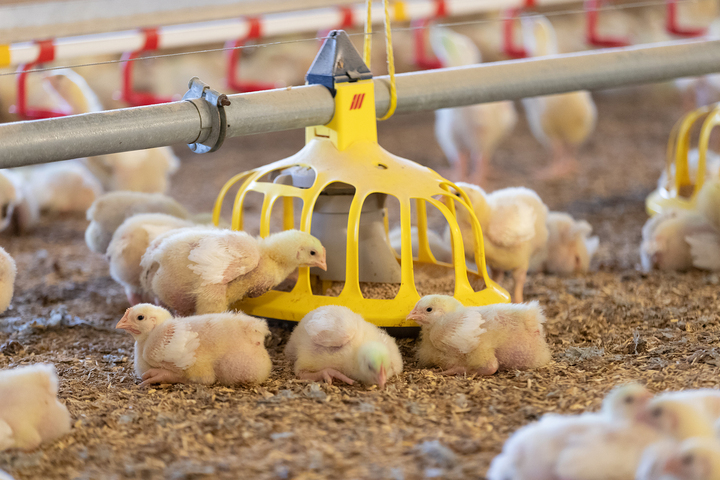
Vaccination, parasite control, biosecurity, nutrition, housing, colostrum management, fertility planning and youngstock protocols all have a role to play. The objective is not to remove every risk as that's impossible, but to reduce the number of preventable problems that disrupt welfare, productivity and profitability.
This is where the combination of biopharma and technology is becoming increasingly powerful. Science-led therapeutics and vaccines help protect animals against known disease challenges, while monitoring technologies can help farmers and vets see earlier signs of trouble. Together, they support a more proactive approach to health management.
For example, systems such as SenseHub, that automatically monitor animal behaviour, can provide continuous insight into reproductive activity, health, nutrition and wellbeing in individual animals and at the herd level. This is helping producers identify potential issues sooner and make more informed decisions. In pigs, needle-free vaccination systems such as IDAL can support efficient, consistent and low-stress vaccines delivery as part of herd health programmes. In poultry, hatchery vaccination technologies can help provide early protection at scale. Across species, the direction of travel is clear and successful farms focus on better prevention, earlier insights and more targeted actions.
MSD Animal Health UK veterinary advisor, Monika Ptaszynska-Sutton, says: "51AV视频resilience is not only about how quickly a business responds when something goes wrong, it's about reducing the chances of avoidable problems occurring in the first place. Preventative health care gives farmers more control, because healthy animals are more productive, more efficient and better able to cope with the pressures placed on modern livestock systems."
This approach also supports welfare and sustainability. Animals that remain healthy are more likely to use feed efficiently, need fewer interventions and achieve their full productive potential. That matters not only for individual animals, but also collectively for the environmental and economic performance of the whole farm.
Preventative health is a core principal of MSD Animal Health's commitment to the The Science of Healthier Animals and our team works on the ground with customers and trusted advisors across the country to help ensure animals are healthy and able to reach their full potential.
British farming will continue to face volatility. But livestock businesses that invest in preventative health care and work with the right partners are better placed to absorb shocks, protect productivity and build more sustainable systems for the future.
听


