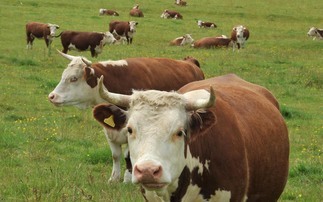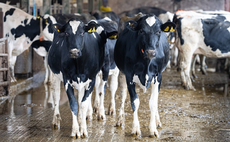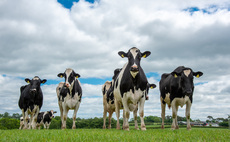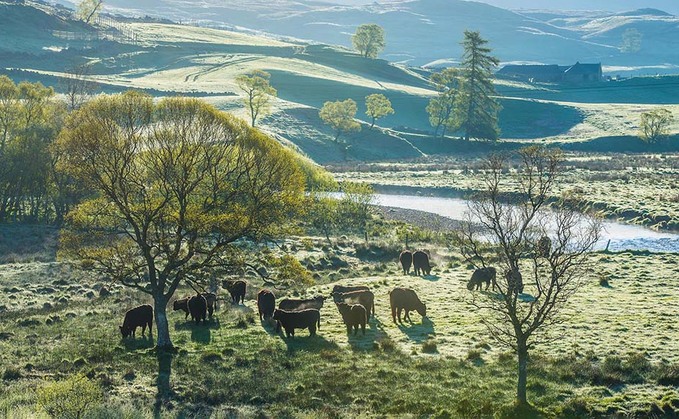
Cattle farmers are being reminded to take extra care over where their animals are kept as thousands of people are expected to head to the countryside over the Easter break.
The Health and Safety Executive said while the majority of walkers enjoy the countryside without any problems, going through fields where cattle are kept can be hazardous.
And with farmers having a legal responsibility to manage their herds to reduce risk to people using footpaths, farmers and landowners need to carefully consider the risks before putting cattle into fields with footpaths.
Even docile cattle, when under stress, perhaps because of the weather, illness, unusual disturbance, or when maternal or other instincts are aroused, can become aggressive, said HSE inspector Wayne Owen.
Follow farming industry and HSE guidance to reduce the risk from animals and help people to enjoy your land and pass through smoothly.
Key considerations for farmers and landowners
- No dairy bulls should be kept in fields with public access at any time
- Where possible avoid putting cattle, especially cows with calves, in fields with public access
- Where there is a need to keep cattle with calves or a bull in a field with public access, do all you can to keep animals and people separated. Consider permanent or temporary fencing. This is particularly important at busy times or where access routes are heavily used
- Assess the temperament of any cattle before putting them into a field with public access
- If cattle, especially cows with calves, do need to be put into fields with public access, keep this period to a minimum
- Position feed and water troughs away from public access routes and away from public entrances and exists to the field
- Put in place a system to monitor any cattle in fields with public access at least on a daily basis. It may be worth recording this
- Consider culling any animal that shows signs of aggression
- Any animal that has shown any sign of aggression must not be kept in a field with public access
- Clearly sign post all public access routes across the farm. Display signage at all entrances to the field stating what is in the field (cows with calves/bulls)

Free signs warning dog owners to keep their dogs on a lead near livestock are available through Farmers Guardian's Take the Lead campaign, in association with the National Sheep Association.
To request yours, send a stamped self-addressed A4 envelope to: FG Take the Lead, Farmers Guardian, Unit 4, Fulwood Business Park, Preston, Lancashire, PR2 9NZ.
We will be able to send up to 25 signs.