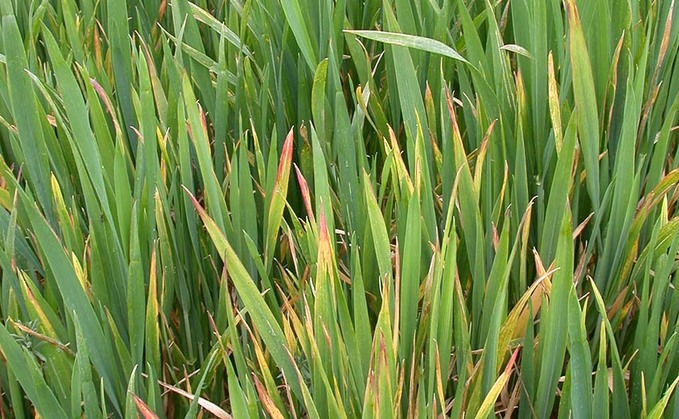
With the potential for a higher risk of BYDV infection this autumn, growers must leave sufficient time between desiccating volunteers and drilling the next crop
That is the message from Hutchinsons' southern technical manager Neil Watson, who says that as volunteers start to die back and turn yellow, they could attract more aphids than would normally be the case. 听
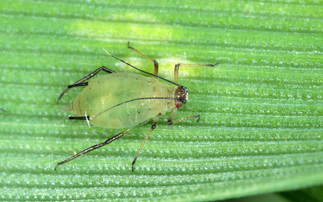
Mr Watson says: "If large numbers of aphids are present on volunteers or weeds which are cultivated during seedbed preparation, they can feed on new crop roots and transmit virus directly without appearing above ground level to provide a control opportunity."
Read more:听Warm weather kickstarts pest activity
Why is the green bridge risk higher this season?
- Low bushel weights lead to greater potential for losses off the combine, resulting in more volunteers听
- Moist soil conditions ensure rapid emergence of volunteers听
- Moving towards min-till or direct drilling heightens the risk of direct transfer of BYDV
- Increased use of cover crops and environmental headlands can act as reservoir of BYDV infections
- Warm weather increases build up of aphids听
Source: Hutchinsons听
Optimal interval
Bayer conducted trials in 2020 to 2021, aiming to identify the optimal interval between鈥痵praying off the green bridge and drilling the next crop by releasing infected bird cherry-oat aphids among plots of cereal volunteers, spraying off the volunteers and drilling winter barley after either a two- or nine-day gap.听
Barley yields from plots treated with glyphosate nine days pre-sowing were significantly higher than in plots treated two days pre-sowing. Aphid survival was greatly increased by only having a two-day gap, leading to significantly higher levels of infection in the winter barley.听
Read more:听Stubble management tips for getting weed control back on track
Direct transfer risk
Dr Steve Ellis, an entomologist for agriculture consultant ADAS, says the risk of direct transfer of aphids from the green bridge is often greatest in milder areas, such as the south west of听England or the south west of Wales.听
He says: "Aphids that transfer from weedy cereal stubbles or grass to the new cereal crop roots will feed and transmit BYDV directly without appearing on foliage above the ground.鈥� Therefore, it is not possible to see them on the crop, so you have no visible target for spraying.鈥�听
"A period of four to six weeks between ploughing and drilling the new crop minimises green bridge transmission, as aphids will die on the buried material before they can transfer through the soil to the new crop.听
"If the pre-sowing interval is likely to be less than four to six weeks, consider applying a desiccant herbicide."听
听
听