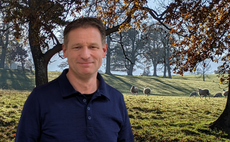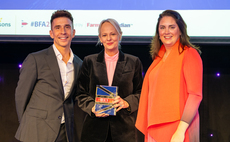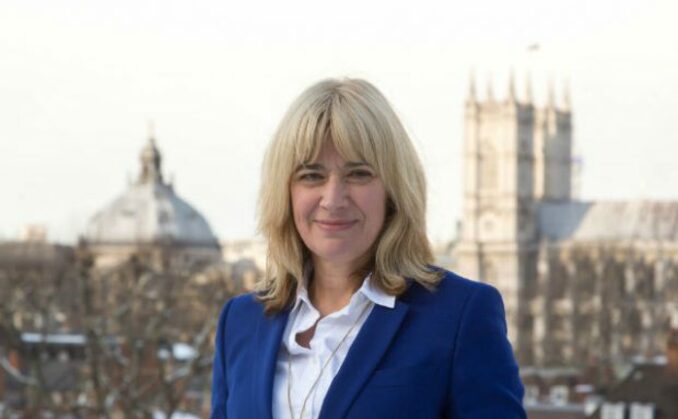
Chief veterinary officer Christine Middlemiss said any future decisions on the use of vaccination will rely upon the latest scientific, ornithological, veterinary research and evidence
Many people will be familiar with the G7 world leaders forum - a little less known version is the G7 chief veterinary officer (CVO) forum.
The annual CVO forum is an international gathering where we discuss issues of global importance from animal and public health.
See also: EU checks face further delay as Government reveals January launch date
It is attended by chief veterinary officers and representatives of all G7 countries alongside the European Commission, the World Organisation for Animal Health (WOAH), and the Food and Agriculture Organization of the United Nations (FAO).
This year's discussion focused on some of the most difficult animal health challenges facing the farming industry today including highly pathogenic avian influenza (HPAI), African swine fever (ASF), and antimicrobial resistance (AMR).Ìý
I know through my conversations with farmers just how devastating outbreaks of avian influenza are for bird keepers and how interested the industry is in the potential to use vaccination to curb this terrible disease.
The forum held a good and open discussion around vaccination, and all G7 members have committed to evaluating vaccination as part of a risk assessment.
This assessment will consider how vaccination outcomes align with our international objective to protect both poultry and wild populations while maintaining safe international trade.Ìý
The conversation on avian influenza continued with all G7 members in agreement surveillance systems need to include nationwide and targeted monitoring of wild bird populations and early warning capabilities - which are crucial for a timely response.
See also: Government lifts AI prevention zone
In the UK, we continue to invest in vaccination research, as well as monitoring vaccine usage in Europe and globally.
Any future decisions on the use of vaccination will be risk-based and reliant upon the latest scientific, ornithological, veterinary research and evidence.
See also: BSE found on Cornish farm
I was also able to present on the AMR approach in the UK and the achievements made so far in the livestock sector.
I take immense pride in the fact the UK has already achieved a 55 per cent reduction in antibiotic use in animals since 2014 using a voluntary and collaborative approach between the government, the agriculture industry, and the veterinary profession.
See also: Farming figures awarded New Year honours
The other major topic for discussion was African swine fever - a disease I know is causing concern for pig keepers as it moves across the continent.
The G7 emphasised the importance of raising awareness among veterinarians, importers, and border control officials - as well as acknowledging the value of updated and adaptable contingency plans to effectively manage outbreaks.
See also: Practicalities of an AvianÌýInfluenzaÌývaccine
A key part of my work as a CVO goes into managing our international relationships.
Good relations and mutual trust are vital for effective trade.
See also: AvianÌýInfluenzaÌýconfirmed What's next?
This is important because when do get disease outbreaks, UK farmers can continue to trade and are not impacted by barriers coming down like we have seenover the years with beef in the wake of bovine spongiform encephalopathy.ÌýÌý
Forums like the G7 are a key part of this work.
Success in managing disease, transparency and providing reassurance to trading partners is achieved through coming together as experts to share our knowledge.
I now keenly await the comprehensive written reports which detail the outcomes, so my colleagues and I can jointly move forward with tackling these global challenges.
See also: AvianÌýinfluenzaÌýcases found in poultry farm workers